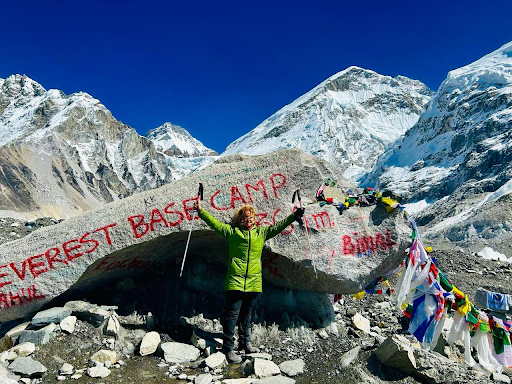
The Everest Base Camp Trek stands as one of the most coveted adventures in the world, drawing thousands of trekkers annually to the majestic Himalayas of Nepal. This legendary journey offers an unparalleled opportunity to witness the raw beauty of the world’s highest mountain while experiencing the rich Sherpa culture that has called these mountains home for centuries.
Understanding the Everest Base Camp Trek
The Everest Base Camp Trek, commonly abbreviated as EBC Trek, is a challenging yet accessible adventure that takes trekkers through the heart of the Khumbu region. Unlike climbing Mount Everest itself, this trek doesn’t require technical mountaineering skills, making it achievable for fit individuals with proper preparation and determination.
The classic EBC Trek typically spans 12-14 days, covering approximately 130 kilometers round trip from Lukla. The journey begins with a thrilling flight to Lukla Airport, often considered one of the world’s most dangerous airports due to its short runway and mountainous terrain. From there, trekkers embark on a remarkable journey through traditional Sherpa villages, ancient monasteries, and diverse landscapes ranging from lush forests to alpine terrain.
The trek reaches its pinnacle at Everest Base Camp, situated at 5,364 meters above sea level. Here, adventurers stand at the foot of the world’s tallest mountain, sharing space with expedition teams preparing for their summit attempts. The sense of achievement and the breathtaking panoramic views make every challenging step worthwhile.
The EBC Trek Route and Highlights
The EBC Trek follows a well-established route that has been refined over decades of mountaineering history. After landing in Lukla at 2,840 meters, trekkers typically spend their first night in Phakding before continuing to Namche Bazaar, the bustling commercial hub of the Khumbu region at 3,440 meters.
Namche Bazaar serves as a crucial acclimatization point, where trekkers spend an extra day allowing their bodies to adjust to the altitude. This vibrant town offers stunning views of Everest, Lhotse, and Ama Dablam, along with opportunities to explore local markets, internet cafes, and traditional bakeries.
The journey continues through Tengboche, home to the famous Tengboche Monastery, where trekkers can witness Buddhist ceremonies and enjoy spectacular mountain vistas. Dingboche and Lobuche serve as additional acclimatization stops, each offering unique perspectives of the surrounding peaks and glacial landscapes.
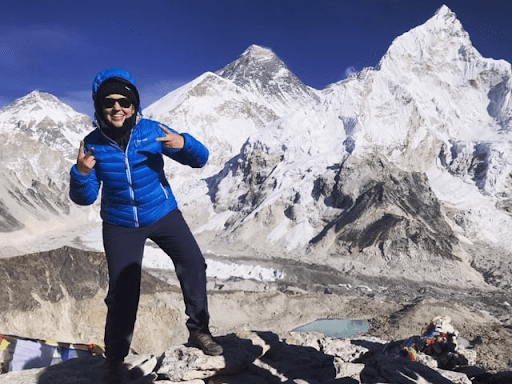
One of the trek’s highlights includes the ascent to Kala Patthar at 5,545 meters, which provides the best viewpoint of Mount Everest without technical climbing. The sunrise view from Kala Patthar is considered one of the most spectacular sights in the Himalayas, offering crystal-clear views of Everest’s summit pyramid.
Physical Demands and Preparation
The EBC Trek demands significant physical preparation and mental resilience. While it doesn’t require technical climbing skills, trekkers must be prepared for long days of hiking at high altitude, often covering 5-7 hours daily over rocky terrain and steep ascents.
Altitude sickness poses the most significant risk during the trek. The gradual ascent profile of the EBC Trek helps minimize this risk, but trekkers must remain vigilant for symptoms and be prepared to descend if necessary. Proper acclimatization, adequate hydration, and listening to experienced guides are essential for safe completion.
Physical preparation should begin at least 3-4 months before departure, focusing on cardiovascular endurance, leg strength, and hiking with a weighted backpack. Regular hiking on varied terrain, combined with gym workouts emphasizing functional fitness, provides the best preparation foundation.
Everest Base Camp Trek Cost Breakdown
Understanding the Everest Base Camp Trek Cost is crucial for proper trip planning. The total expense varies significantly based on service level, group size, and personal preferences, but several key components remain consistent across all treks.
Flight Costs: International flights to Kathmandu typically range from $800-2,50,0, depending on origin and season. The domestic flight from Kathmandu to Lukla costs approximately $350-400 per person for a round trip, though helicopter alternatives are available at higher costs.
Permits and Documentation: Trekkers require several licences, including the Sagarmatha National Park Entry Permit ($25) and the Khumbu Pasang Lhamu Rural Municipality Permit ($25).
Accommodation and Meals: Tea house accommodation along the EBC Trek route ranges from $5-15 per night for basic rooms, with costs increasing at higher altitudes. Meals typically cost $8-15 per dish, with limited menu options and higher prices as elevation increases. Budget $30-50 daily for food and accommodation.
Guide and Porter Services: Hiring a licensed guide costs $25-35 daily, while porters charge $20-25 daily. These services are highly recommended for safety, cultural insights, and support with heavy loads.
Equipment and Gear: Quality trekking gear represents a significant investment, with essential items including insulated sleeping bags, trekking boots, layered clothing systems, and safety equipment. Budget $1,000-2,000 for complete gear if purchasing new equipment.
Total Cost Estimates: Budget treks typically cost $1,200-1,800 per person, mid-range options range from $2,000-3,500, while luxury experiences can exceed $5,000-8,000. These estimates include all major expenses but exclude international flights, personal shopping, and emergency evacuation insurance.
Best Time for EBC Trek
The EBC Trek operates year-round, but optimal conditions occur during two primary seasons. Pre-monsoon season (March-May) offers warming temperatures, clear mountain views, and blooming rhododendrons, though crowds are heaviest during this period.
Post-monsoon season (September-November) provides the clearest skies and most stable weather conditions, making it the preferred choice for photography enthusiasts and those seeking guaranteed mountain views. Winter treks (December-February) are possible but extremely challenging due to harsh weather and heavy snowfall.
Cultural Immersion and Sherpa Heritage
The EBC Trek offers profound cultural experiences beyond mountain scenery. Trekkers journey through traditional Sherpa villages where ancient Buddhist traditions remain vibrant and central to daily life. Monastery visits, prayer wheel spinning, and interaction with local families provide authentic cultural exchanges.
The Sherpa people’s mountaineering expertise and warm hospitality create memorable encounters throughout the trek. Many tea house owners are experienced climbers themselves, offering fascinating stories of Everest expeditions and mountain life.
Safety Considerations and Risk Management
Safety remains paramount during the EBC Trek, with altitude-related illnesses representing the primary concern. Comprehensive travel insurance covering high-altitude trekking and emergency helicopter evacuation is essential, as medical facilities are limited above Namche Bazaar.
Weather conditions can change rapidly in the Himalayas, requiring flexible itineraries and quality protective gear. Communication devices such as satellite phones or GPS beacons provide additional security for remote sections of the trek.
Conclusion
The Everest Base Camp Trek represents the pinnacle of accessible adventure trekking, combining physical challenge, natural beauty, and cultural immersion in an unforgettable experience. While the Everest Base Camp Trek Cost requires significant financial investment, ranging from budget options around $1,500 to luxury experiences exceeding $5,000, the memories and personal achievement gained from completing this iconic EBC Trek justify the expense for most adventurers.
Success on the EBC Trek depends on thorough preparation, realistic expectations, and respect for the mountain environment and local culture. With proper planning, physical conditioning, and professional guidance, this legendary trek offers a transformative journey to one of Earth’s most spectacular destinations. The combination of standing at the base of the world’s highest peak, experiencing authentic Sherpa hospitality, and pushing personal boundaries creates lasting memories that extend far beyond the financial investment required.
For those seeking the ultimate trekking adventure, the Everest Base Camp Trek delivers an unmatched experience that continues to inspire and challenge adventurers from around the globe, making it a worthy addition to any serious trekker’s bucket list.
 Adventra